PosterBloom

Understand visual styles

Styles, movements & visual language

A useful art label should tell you what to look for without rewriting history. This hub separates named historical movements, contemporary interiors categories, and visual-technique language; then it shows how composition, marks, material cues, and context make those labels defensible.

10 source-grounded guides · Updated July 14, 2026

Start with the label

Three categories that should not be collapsed

01

Historical movement or school

A time-bound network of artists, institutions, ideas, materials, and conditions. Modernism is broad but historical; Brutalism emerged from particular postwar architectural debates. A few visual similarities do not establish membership.
02

Contemporary style category

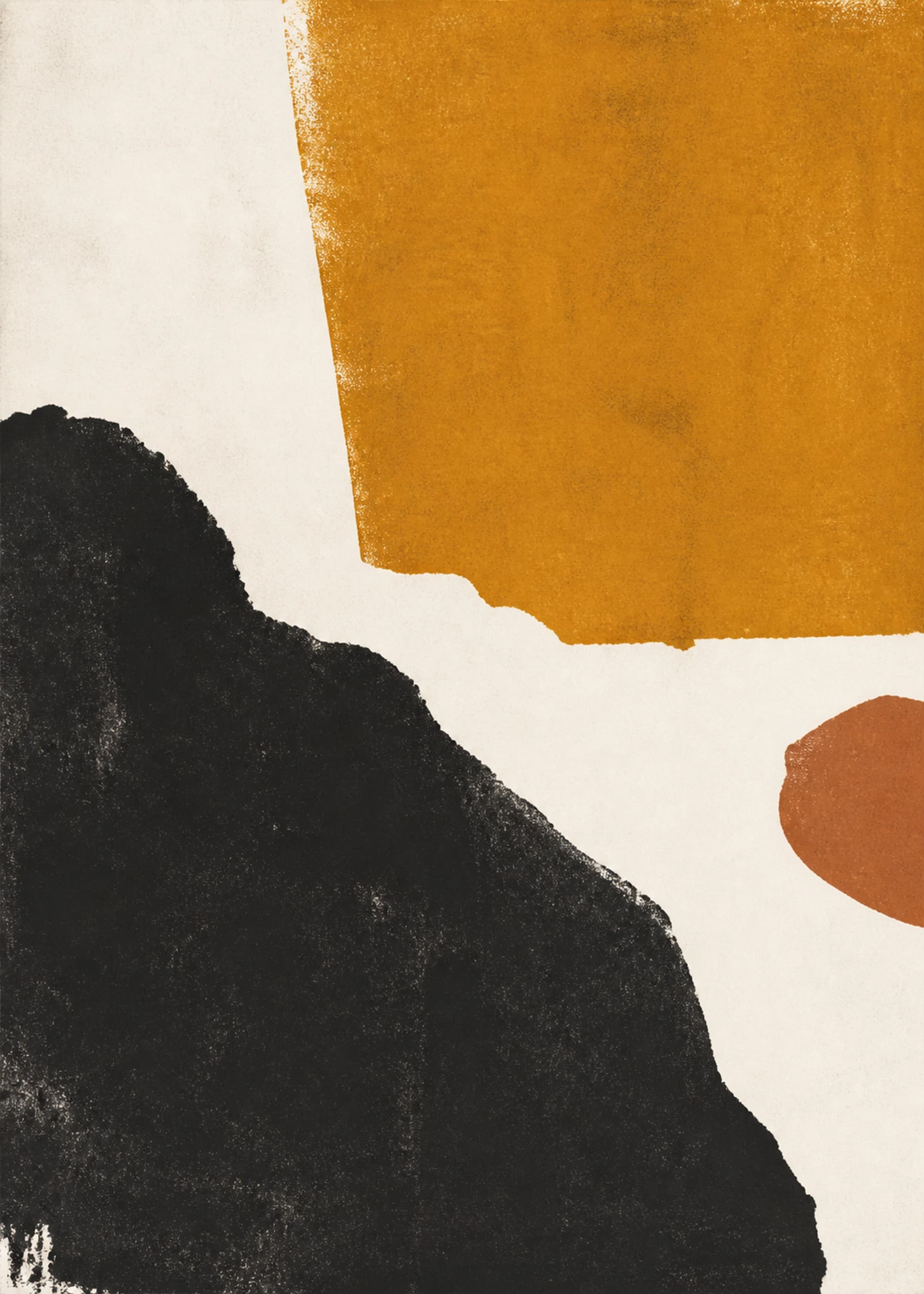
A useful present-day way to browse art and interiors. Organic modern describes a current relationship among natural materials, restrained form, and modern space; it is not one historic movement with a manifesto or fixed membership.

03

Visual technique

What an image's surface and marks visually evoke: cut relief, layered screen color, wash, collage, or dry brush. For PosterBloom, these terms describe visual language—not a claim that the final giclée print was physically made by that analog process.

A defensible reading method

Move from evidence to context—not from vibe to label

  1. 1

    Describe before naming.

    Record shape, edge, value, color, interval, scale, surface, and negative space. This keeps recognition grounded in visible evidence.

  2. 2

    Locate the label's type.

    Ask whether the term names a historical movement, a broad formal tendency, a contemporary shopping category, or a visual technique. Different kinds of labels support different claims.

  3. 3

    Check history and difference.

    Compare museum and institutional sources. Shared geometry does not make De Stijl, Constructivism, Bauhaus teaching, and later Minimalism interchangeable.

  4. 4

    State influence at the right strength.

    Use “influenced by,” “evokes,” or “in conversation with” when formal evidence supports a relationship. Do not imply authorship, reproduction, affiliation, or historical membership.

Learn more

Start with the styles you recognize, learn how composition works, and use the technique guides to understand the marks and textures you see in a print.

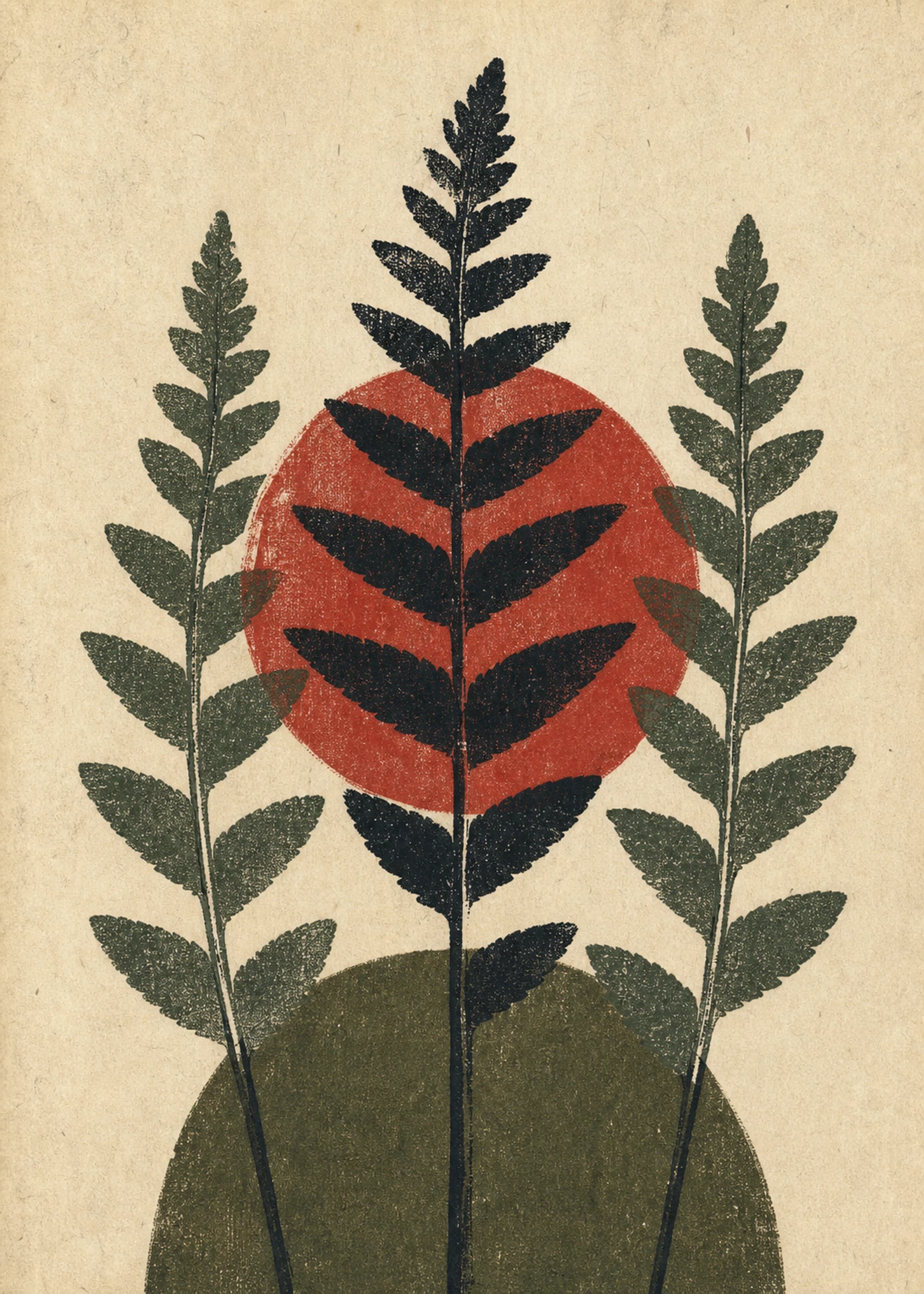
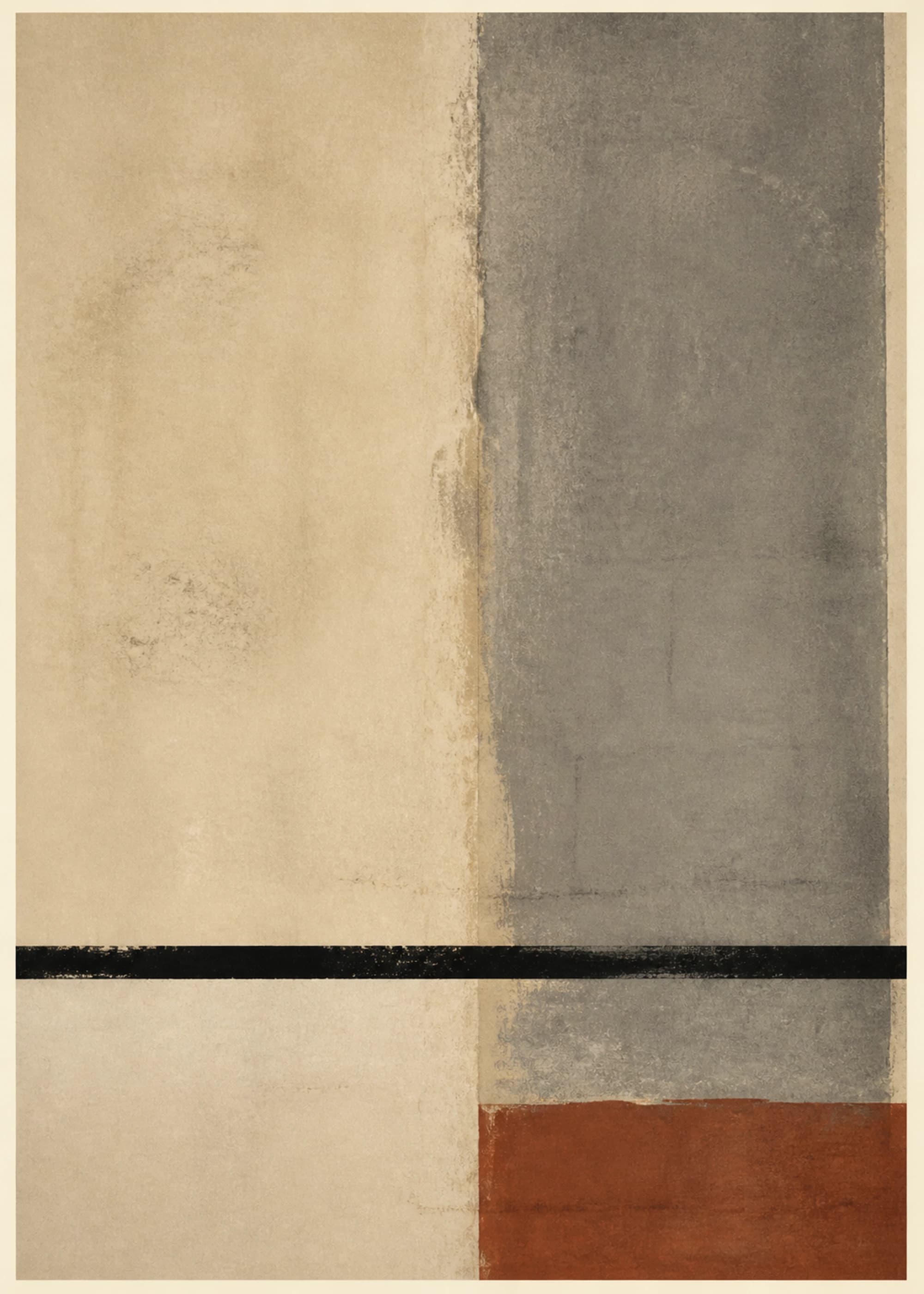
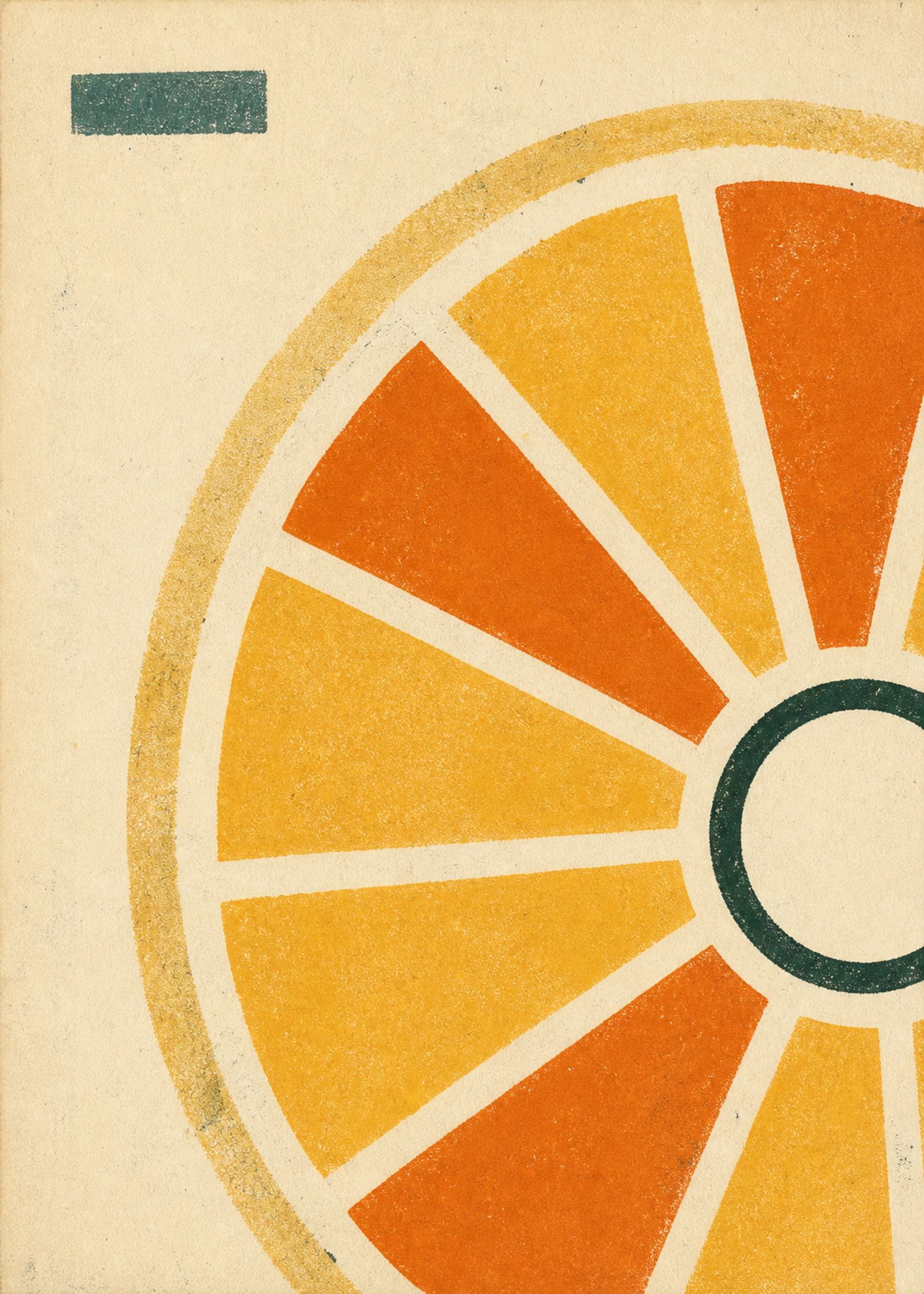
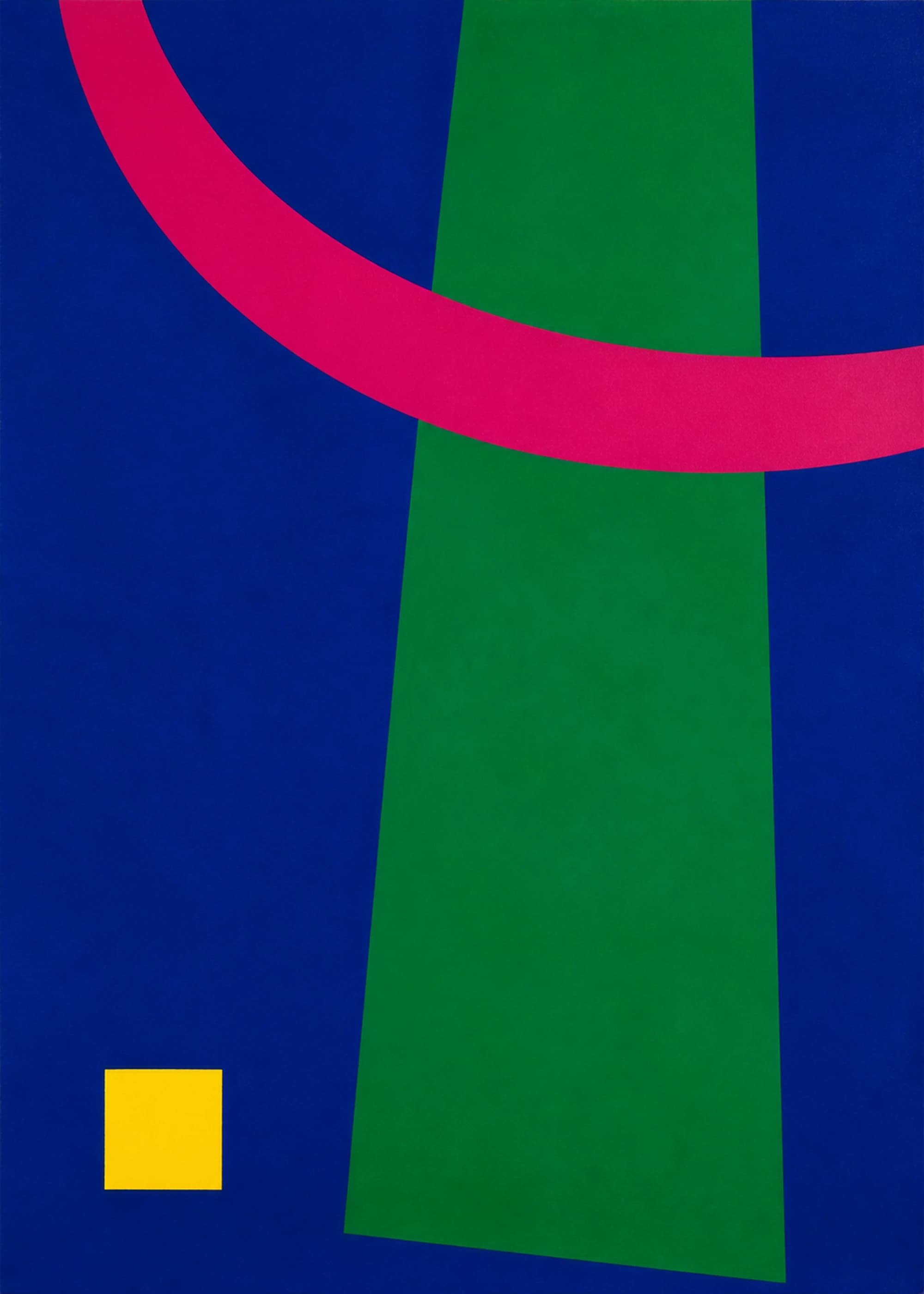
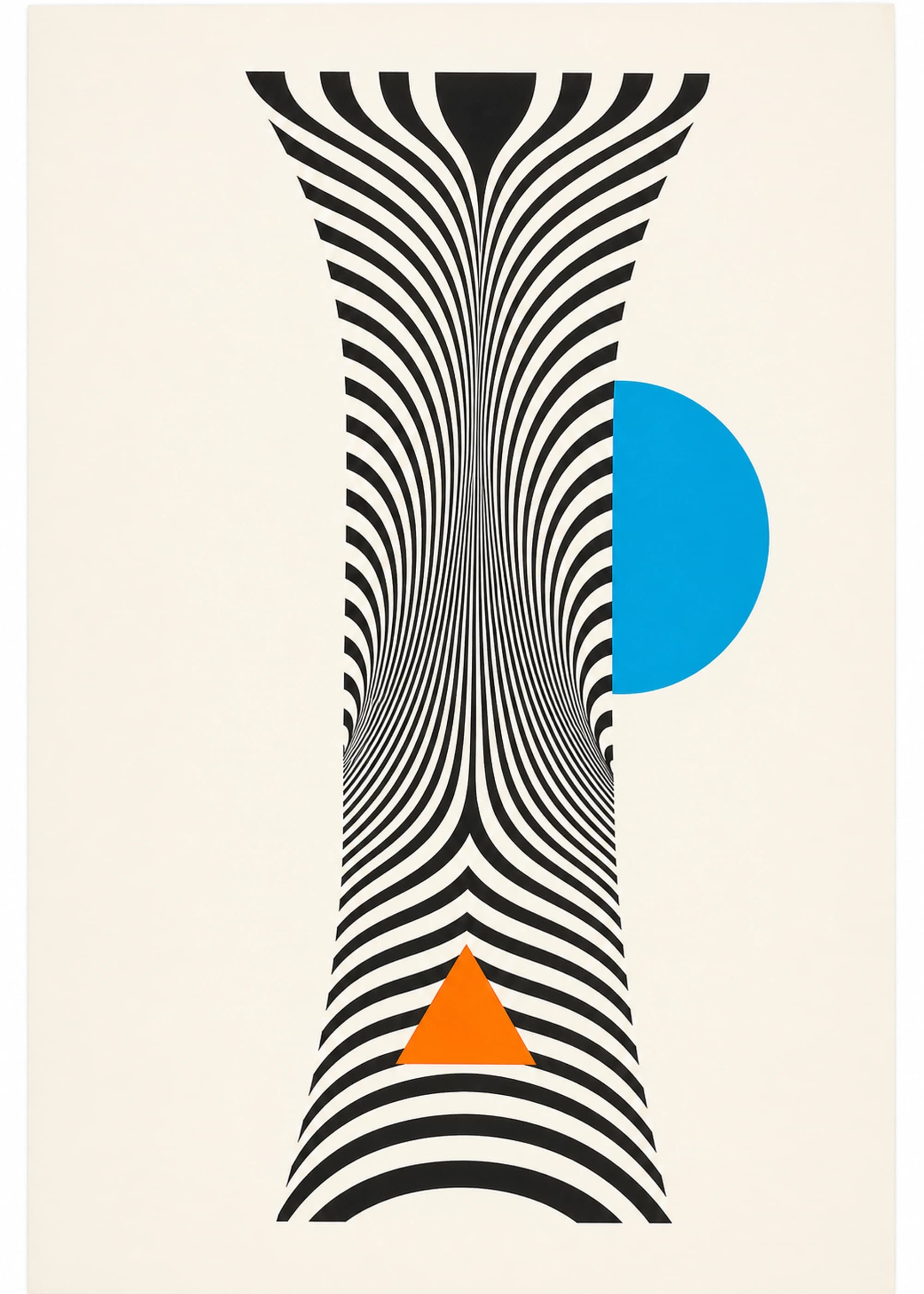
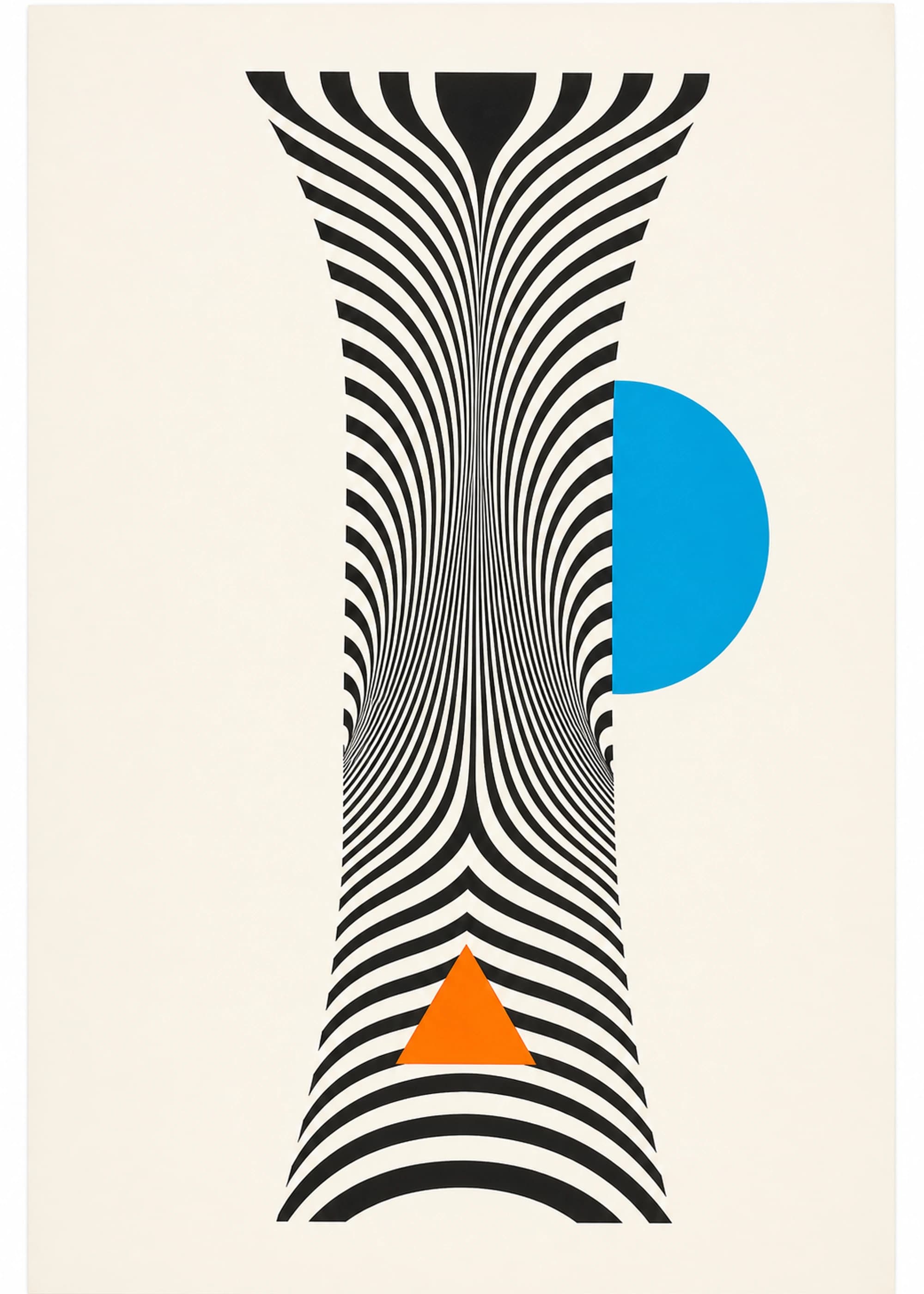
Optical Systems Column, a geometric PosterBloom art printArt Terms Glossary: Movements, Print Techniques, and ColorPlain-language definitions for art movements, visual techniques, composition, color, interiors, and print production—with clear distinctions between an image’s influence and how a print is physically made.12 min read · 21 sources · Art terminology, visual language, print techniquesOchre Stone, a geometric PosterBloom art printModernism in Wall Art: A Practical Visual GuideLearn how modernist wall art uses geometry, abstraction, material, and negative space—and how to choose it without reducing a century of ideas to a decor label.9 min read · 3 sources · Modernism, geometric abstraction, negative spaceNight Architecture, a brutalist-influenced PosterBloom art printBrutalism in Art and Interiors: Beyond Raw ConcreteUnderstand Brutalism’s postwar architectural context, its visual language of mass and material, and how brutalist-influenced wall art can work in a livable interior.9 min read · 4 sources · Brutalism, postwar architecture, materialityFern Signal Interrupted, a graphic botanical PosterBloom art printHow to Read Composition and Mark-Making in ArtA plain-language method for reading focal point, balance, rhythm, negative space, line, edge, and mark-making—then using those qualities to choose wall art.10 min read · 4 sources · Visual literacy, composition, mark-makingOptical Systems Column, a geometric PosterBloom art printGeometric Art and Visual Order: How Shape Organizes a PictureLearn how geometric art uses grids, repetition, proportion, edges, and optical tension—and how to distinguish a visual language from a historical movement.10 min read · 2 sources · Geometric abstraction, visual order, grids and repetitionQuiet Load Bearing, an organic modern PosterBloom art printOrganic Modern Art and Interiors: A Clearer Visual DefinitionUnderstand organic modern as a contemporary interiors and merchandising category built from natural form, material warmth, restraint, and modernist structure—not a single historical movement.10 min read · 3 sources · Organic modern, biomorphic form, natural materialsFern Signal Interrupted, a relief-print-influenced PosterBloom art printLinocut, Woodcut, and Relief Printing: How to Read the MarksLearn how relief printing creates carved edges, bold silhouettes, and visible tool rhythm—and what PosterBloom means when a giclée art print is described as relief-print influenced.11 min read · 3 sources · Relief printing, linocut, woodcutCitrus Section Study, a layered-color PosterBloom art printScreenprint, Risograph, and Layered Color: A Visual GuideRecognize flat color fields, overprint, registration shifts, halftones, and limited palettes—and understand how PosterBloom uses these as visual-technique labels for giclée prints.11 min read · 3 sources · Screenprint, Risograph, layered colorWindow Remembers Hinge, a collage-influenced PosterBloom art printLithograph, Monotype, and Collage: Three Different Visual LanguagesCompare drawn lithographic marks, one-off monotype variation, and assembled collage structure—and see how those languages can influence contemporary giclée wall art.11 min read · 4 sources · Lithography, monotype, collageElectric Color Field, a gouache-influenced PosterBloom art printGouache, Watercolor, and Ink: How Surface Changes the ImageCompare opaque gouache, transparent watercolor, and fluid or drawn ink through edge, wash, bloom, drybrush, line, and paper—and read those visual influences honestly in contemporary wall art.11 min read · 3 sources · Gouache, watercolor, ink

Apply the vocabulary

Browse contemporary work without turning the shop into a museum label

Browse PosterBloom prints by the visual qualities that matter to you. Style labels describe what a work looks and feels like; they do not claim that a contemporary print is a historical artifact or an original member of a named movement.

Prefer to browse without a style filter? See every active print.