Guide
Wall art size calculator and print size guide
Most art looks wrong for one of two reasons: it's too small for the wall, or it's hung too high. Two rules fix both.
PosterBloom guide · 5 min read · Updated Jul 20, 2026
What size art should go above a desk?
Aim for art that spans 60–75% of the desk width. Above a 140 cm (about 55 inches) desk, that means a total artwork width of 84–105 cm (33–41 inches), with about 93 cm as the two-thirds target. For example, three 30 × 40 cm portrait prints with two 6 cm gaps span 102 cm overall and sit inside that range.
Measure the clear wall above the monitor, shelf, and task light—not just the desktop. The bottom of the arrangement should clear the tallest object and leave enough breathing room that the art does not feel crowded by the workspace.
Check the placement from your chair and through the camera view you use for video calls. A composition centered for standing eye level can sit too high when the room is usually seen while seated.
These calculations use nominal paper sizes. A frame's outside dimensions will be larger and vary with the moulding, so template the complete framed footprint—including the gaps between pieces—before installing hardware.
Open the 140 cm desk preset
Rule 1 — the 2/3 rule
Art hung above furniture should span roughly two-thirds the width of the furniture beneath it. Above a standard 170 cm (67″) sofa, that means a balanced range of about 102–128 cm, with 113 cm as the two-thirds target. A pair of portrait 50 × 70 cm prints with a 6 cm gap spans 106 cm and lands inside that range. One portrait 70 × 100 cm print is a narrower 70 cm accent, not a two-thirds-width solution.
When in doubt, go bigger. Undersized art floating on a large wall is the single most common hanging mistake — a print that feels “a little big” leaning against the wall almost always feels right once it's up.
Rule 2 — eye level is 57–60 inches
Galleries hang art so its center sits 57–60 inches (145–152 cm) from the floor — average standing eye level. Measure to the center of the artwork, not the top of the frame.
Above furniture, a second constraint kicks in: leave 15–25 cm (6–10″) between the furniture and the bottom of the frame so the two read as one composition. If the two rules conflict, the furniture gap wins.
Our sizes
| Size (cm) | Size (inches) | Best for |
|---|---|---|
| 30 × 40 cm | 12 × 16″ | Shelves, desks, narrow walls, gallery-wall supporting pieces |
| 50 × 70 cm | 20 × 28″ | Bedrooms, offices, hallways — the most versatile single-print size |
| 70 × 100 cm | 28 × 40″ | Above sofas and beds, statement walls, open living spaces |
The calculator uses only formats present in the active catalog. Current PosterBloom works are portrait, so the first number is the width used in its recommendation. Framed outside dimensions are slightly larger and vary with the moulding. Every product page shows the selected size to scale above a sofa, so you can sanity-check before you buy. Planning more than one print? Read the gallery wall guide.
Put the measurement to work
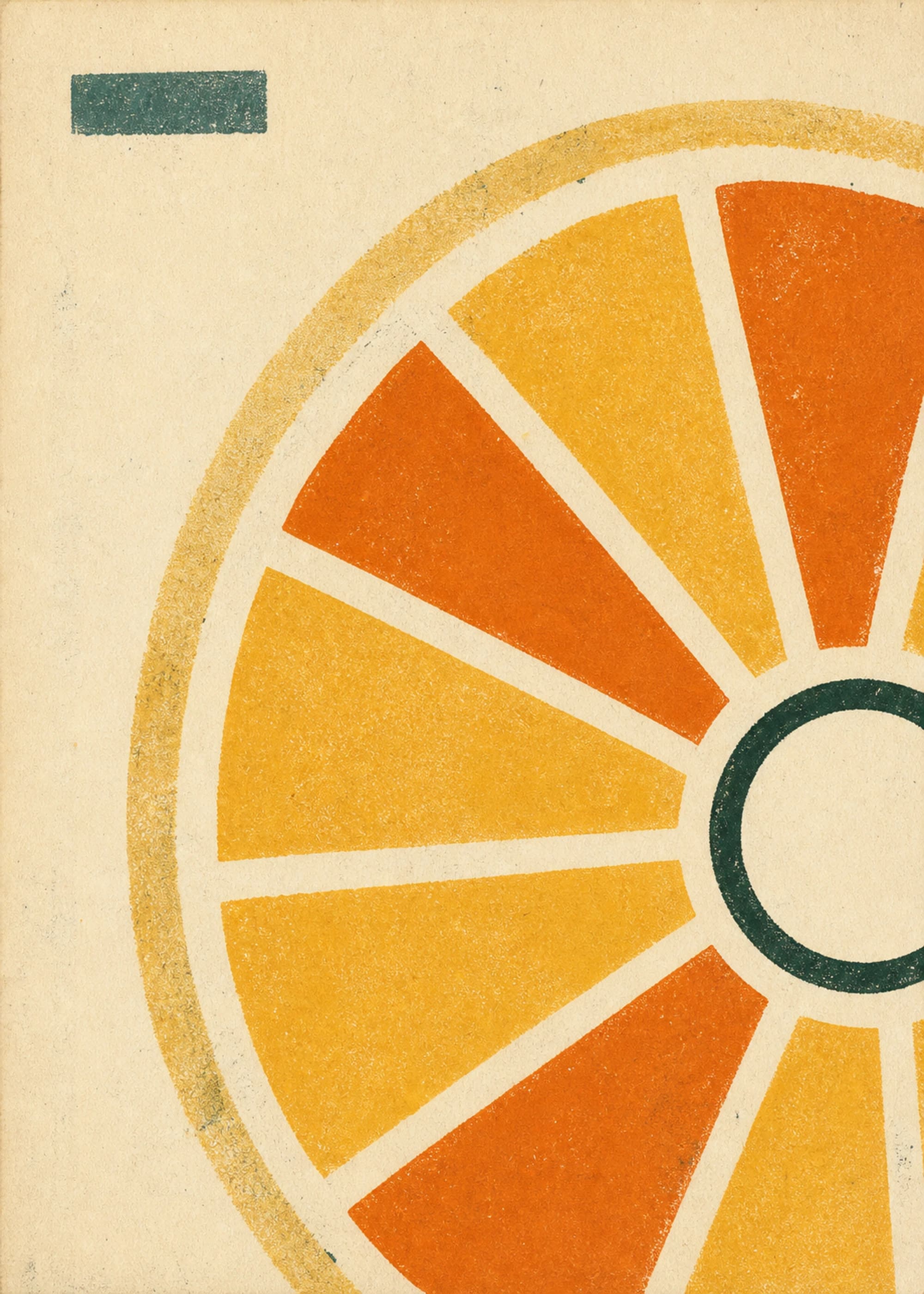
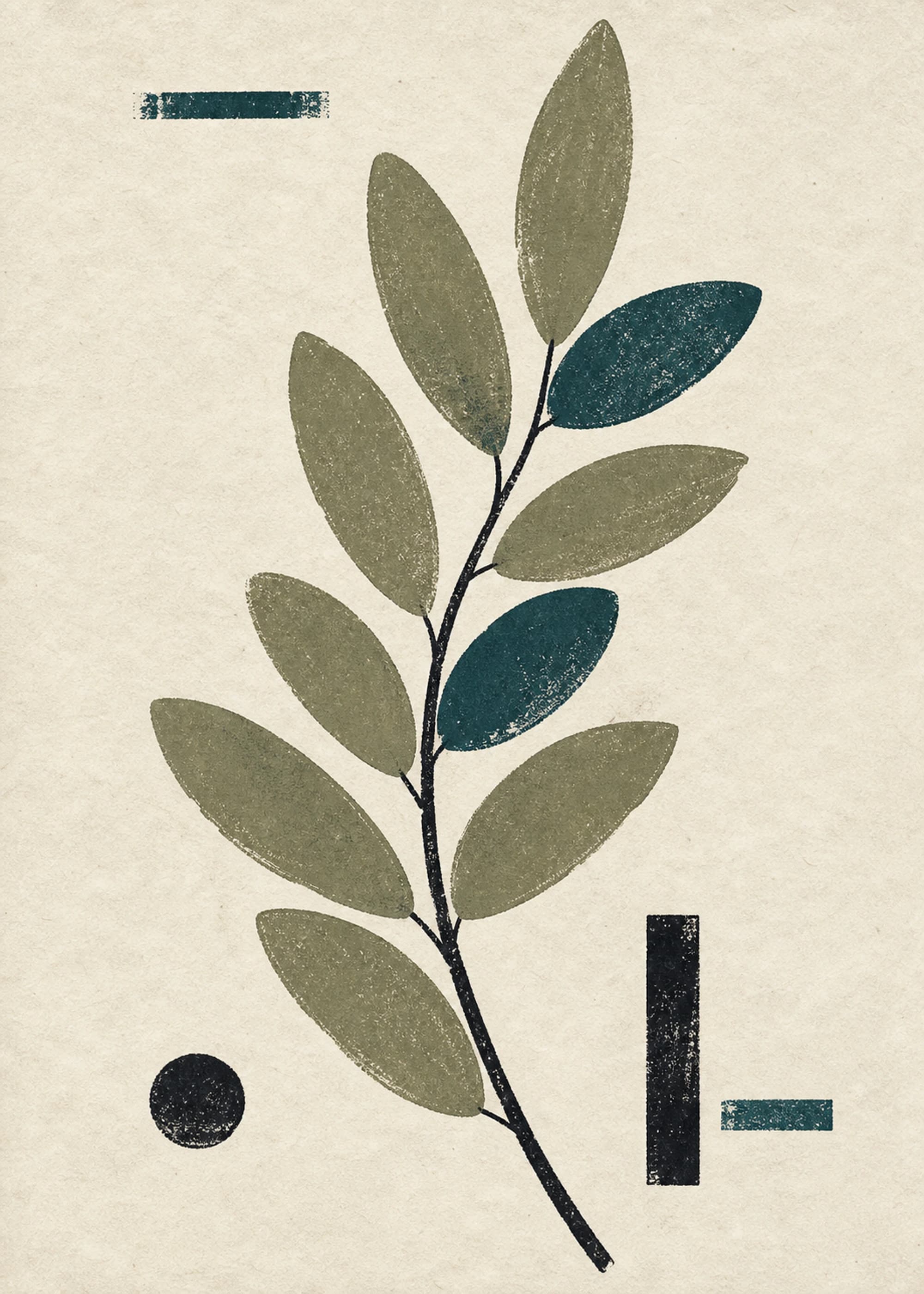
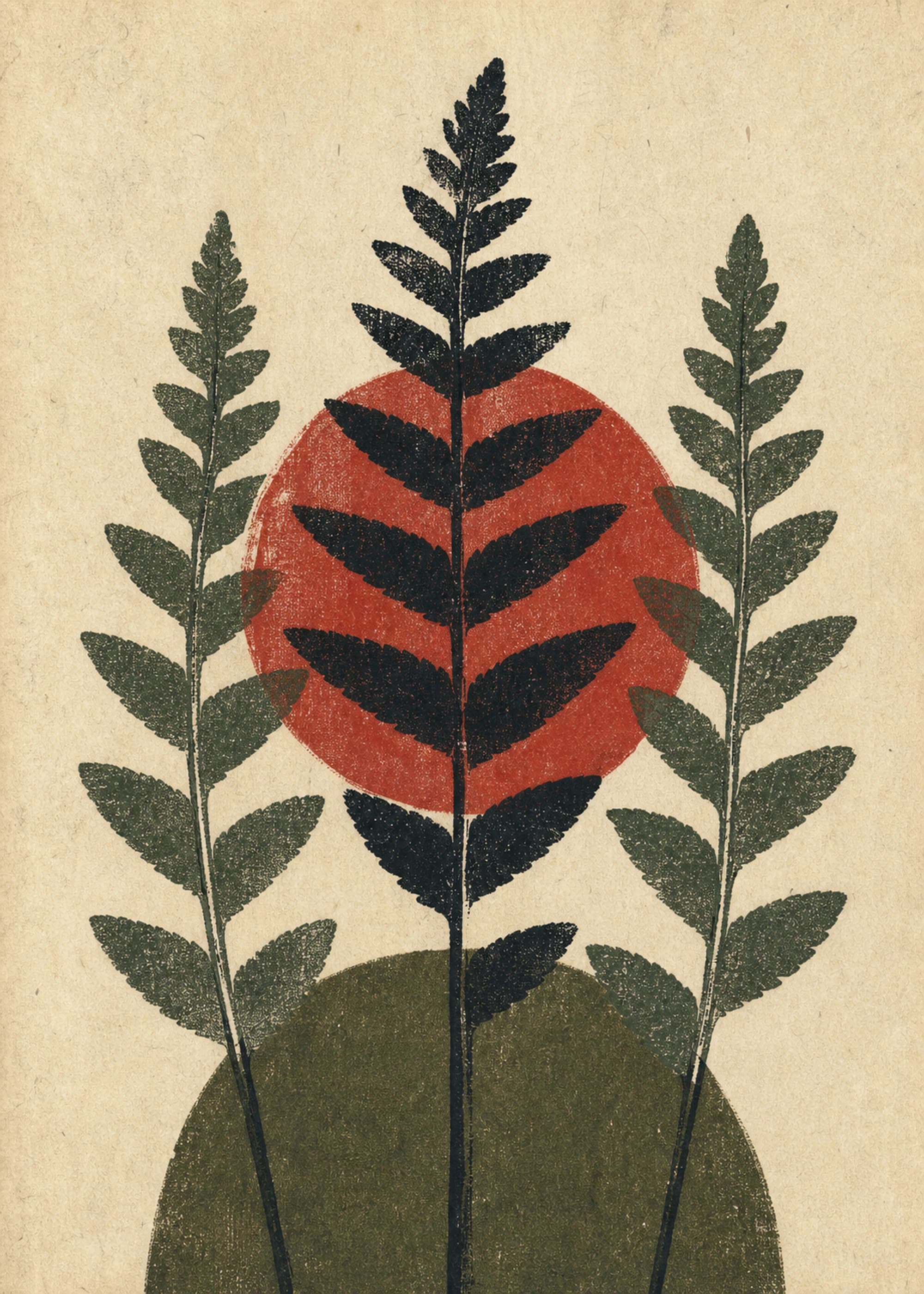
Signal Botanics Kitchen is a complete three-print arrangement, while each component can be bought alone or paired at the size your wall calculation recommends.
Sources and methodology
The external references below describe common proportion and hanging conventions. PosterBloom's calculator independently ranks only formats in our active catalog; its measured diagram and recommendations are our implementation of those conventions.